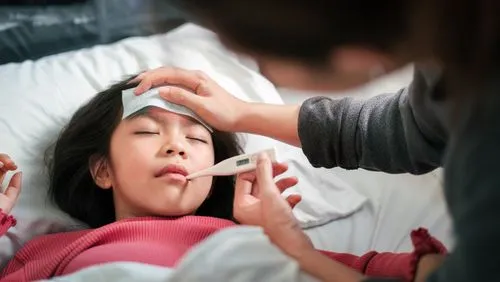
Treatment of Child Fever in Opelika, AL, Serving Auburn & Valley, AL
At Pediatric Associates of Auburn in Opelika, AL, serving Auburn and Valley, AL, our team provides careful evaluation and treatment for children experiencing fever. A fever can be concerning for parents, but it is often the body’s natural response to infection. Understanding when a fever is expected and when it requires medical attention can help families feel more confident in managing their child’s health.
What Is a Fever in Children
A fever is generally defined as a body temperature of 100.4°F (38°C) or higher. It is a sign that the immune system is actively working to fight off illness, such as a viral or bacterial infection. Fevers are common in children and can occur with conditions like colds, flu, ear infections, and other routine childhood illnesses.
In many cases, a mild to moderate fever is not harmful. Instead, it plays a role in helping the body recover. However, the child’s overall behavior and symptoms are just as important as the temperature reading when determining next steps.
Common Causes of Fever
Fever in children can develop for several reasons. Viral infections are the most frequent cause, including respiratory illnesses and seasonal viruses. Bacterial infections, such as ear infections or strep throat, can also lead to elevated temperatures.
Other factors, including vaccinations, teething, or exposure to environmental heat, may contribute to a temporary rise in body temperature. Identifying the cause helps guide appropriate care and treatment.
Symptoms to Watch For
Along with an elevated temperature, children may experience symptoms such as fatigue, irritability, decreased appetite, or chills. Some children may appear flushed or complain of body aches or headaches. Younger children and infants may show more subtle signs, including fussiness or changes in sleep patterns.
It is important to observe how your child is acting overall. A child who is alert, drinking fluids, and responsive is often less concerning than a child who appears lethargic or difficult to wake.
When to Seek Medical Care
While many fevers can be managed at home, certain situations require professional evaluation. Infants under three months with a fever should always be seen by a healthcare provider. Older children should be evaluated if a fever persists for several days, rises above 104°F, or is accompanied by symptoms such as difficulty breathing, persistent vomiting, severe headache, or rash.
Changes in behavior, dehydration, or signs of pain should also prompt a visit. Early evaluation helps identify underlying conditions and ensures appropriate treatment when needed.
Managing Fever at Home
For mild fevers, supportive care is often effective. Encouraging fluids, ensuring rest, and keeping the child comfortable can help during recovery. Fever-reducing medications may be recommended based on the child’s age and weight, following professional guidance.
Light clothing and a comfortable room temperature can also help regulate body heat. Monitoring symptoms closely allows parents to respond if the condition changes.
Pediatric Fever Care in Opelika, AL
Pediatric Associates of Auburn provides comprehensive care for children experiencing fever in Opelika, AL, serving Auburn and Valley, AL. Our team focuses on accurate diagnosis, appropriate treatment, and guidance for families managing illness at home.
If your child has a fever or you have concerns about their symptoms, contact Pediatric Associates of Auburn at (334) 203-1766 to schedule an evaluation. Early care can provide reassurance and help support your child’s recovery.