What Pediatricians Check During School Physicals
- posted: Dec. 08, 2025
At Pediatric Associates of Auburn in Opelika, AL, school physicals are more than a routine checkbox for enrollment, they’re an important opportunity to ensure your child’s overall health, growth, and readiness for the school year. Pediatricians, including the team at Pediatric Associates of Auburn, use these visits to help children stay healthy, active, and focused in the classroom.
Growth and Development Assessments
One of the first things pediatricians check during a school physical is your child’s growth. Height, weight, and body mass index (BMI) are measured and compared to age-appropriate benchmarks. These measurements help detect growth delays, obesity concerns, or nutritional issues. Pediatricians also review developmental milestones to ensure your child is meeting expectations for coordination, social skills, and cognitive abilities.
Vision and Hearing Screening
Good vision and hearing are essential for learning. During a school physical, your child will typically undergo basic vision and hearing screenings. Detecting issues early allows for timely intervention, whether that means glasses, hearing aids, or a referral to a specialist, supporting academic success and social confidence.
Immunizations and Health History Review
Pediatricians review immunization records to ensure your child is up to date, protecting both your child and classmates from preventable illnesses. The health history review covers past medical conditions, medications, allergies, and any recent hospitalizations. This information helps the pediatrician provide comprehensive care and advise on any additional preventive measures.
Physical Examination
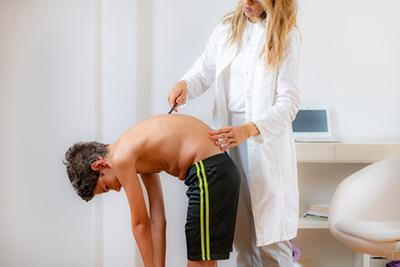
A head-to-toe physical exam allows the pediatrician to assess general health and identify any concerns. This may include examining the heart, lungs, abdomen, skin, musculoskeletal system, and neurological function. The exam helps spot issues such as asthma, scoliosis, or joint problems that could impact your child’s comfort and activity level during school sports or physical education.
Behavioral and Emotional Health
School physicals also provide a chance to discuss behavioral or emotional health. Our Opelika, AL, pediatricians ask questions about sleep, stress, mood, and social interactions. Addressing these factors can help identify anxiety, attention difficulties, or other challenges that might affect school performance and overall well-being.
Recommendations and Follow-Up
After the school physical, your pediatrician may provide recommendations for sports participation, vision or hearing follow-up, nutrition, exercise, or additional testing if needed. These personalized suggestions ensure your child is prepared not just academically, but physically and emotionally, for a successful school year.
Scheduling a school physical with Pediatric Associates of Auburn is a proactive step in supporting your child’s health and readiness for school. To schedule the next one for your child, call our Opelika, AL, office at 334-203-1766.
- posted: Dec. 08, 2025
At Pediatric Associates of Auburn in Opelika, AL, school physicals are more than a routine checkbox for enrollment, they’re an important opportunity to ensure your child’s overall health, growth, and readiness for the school year. Pediatricians, including the team at Pediatric Associates of Auburn, use these visits to help children stay healthy, active, and focused in the classroom.
Growth and Development Assessments
One of the first things pediatricians check during a school physical is your child’s growth. Height, weight, and body mass index (BMI) are measured and compared to age-appropriate benchmarks. These measurements help detect growth delays, obesity concerns, or nutritional issues. Pediatricians also review developmental milestones to ensure your child is meeting expectations for coordination, social skills, and cognitive abilities.
Vision and Hearing Screening
Good vision and hearing are essential for learning. During a school physical, your child will typically undergo basic vision and hearing screenings. Detecting issues early allows for timely intervention, whether that means glasses, hearing aids, or a referral to a specialist, supporting academic success and social confidence.
Immunizations and Health History Review
Pediatricians review immunization records to ensure your child is up to date, protecting both your child and classmates from preventable illnesses. The health history review covers past medical conditions, medications, allergies, and any recent hospitalizations. This information helps the pediatrician provide comprehensive care and advise on any additional preventive measures.
Physical Examination
A head-to-toe physical exam allows the pediatrician to assess general health and identify any concerns. This may include examining the heart, lungs, abdomen, skin, musculoskeletal system, and neurological function. The exam helps spot issues such as asthma, scoliosis, or joint problems that could impact your child’s comfort and activity level during school sports or physical education.
Behavioral and Emotional Health
School physicals also provide a chance to discuss behavioral or emotional health. Our Opelika, AL, pediatricians ask questions about sleep, stress, mood, and social interactions. Addressing these factors can help identify anxiety, attention difficulties, or other challenges that might affect school performance and overall well-being.
Recommendations and Follow-Up
After the school physical, your pediatrician may provide recommendations for sports participation, vision or hearing follow-up, nutrition, exercise, or additional testing if needed. These personalized suggestions ensure your child is prepared not just academically, but physically and emotionally, for a successful school year.
Scheduling a school physical with Pediatric Associates of Auburn is a proactive step in supporting your child’s health and readiness for school. To schedule the next one for your child, call our Opelika, AL, office at 334-203-1766.
Pediatric Associates of Auburn
2901 Corporate Park Drive,
Opelika, AL 36801
Office Hours
Monday
8:00 am - 4:30 pm
Tuesday
8:00 am - 4:30 pm
Wednesday
8:00 am - 4:30 pm
Thursday
8:00 am - 4:30 pm
Friday
8:00 am - 4:30 pm
Saturday
8:00 am - 10:00 am
Sunday
Closed